The line from Barrow to Carlisle hugs the sea for most of its length. We rode it slowly over three days, stopping where the station names sounded nice, and only once wished we had a car.
Day one: Barrow to Ravenglass
We started early, on a two-carriage train that smelled faintly of coffee and wet coats. Ten minutes out of Barrow the line was running along the edge of the Duddon estuary, with sand on one side and sheep on the other, and nobody in our train car was looking at a phone.
Millom came and went. At Silecroft a woman with a fishing rod got off and walked straight down to the beach. We stayed on to Ravenglass, where three rivers meet the sea and the village is one street long, with the tide coming right up to the back yards.
We spent the afternoon walking up to the old Roman bath house, whose walls are still taller than a person, and the evening eating crab sandwiches on the sea wall while the light went orange over the estuary.
Day two: Ravenglass to St Bees
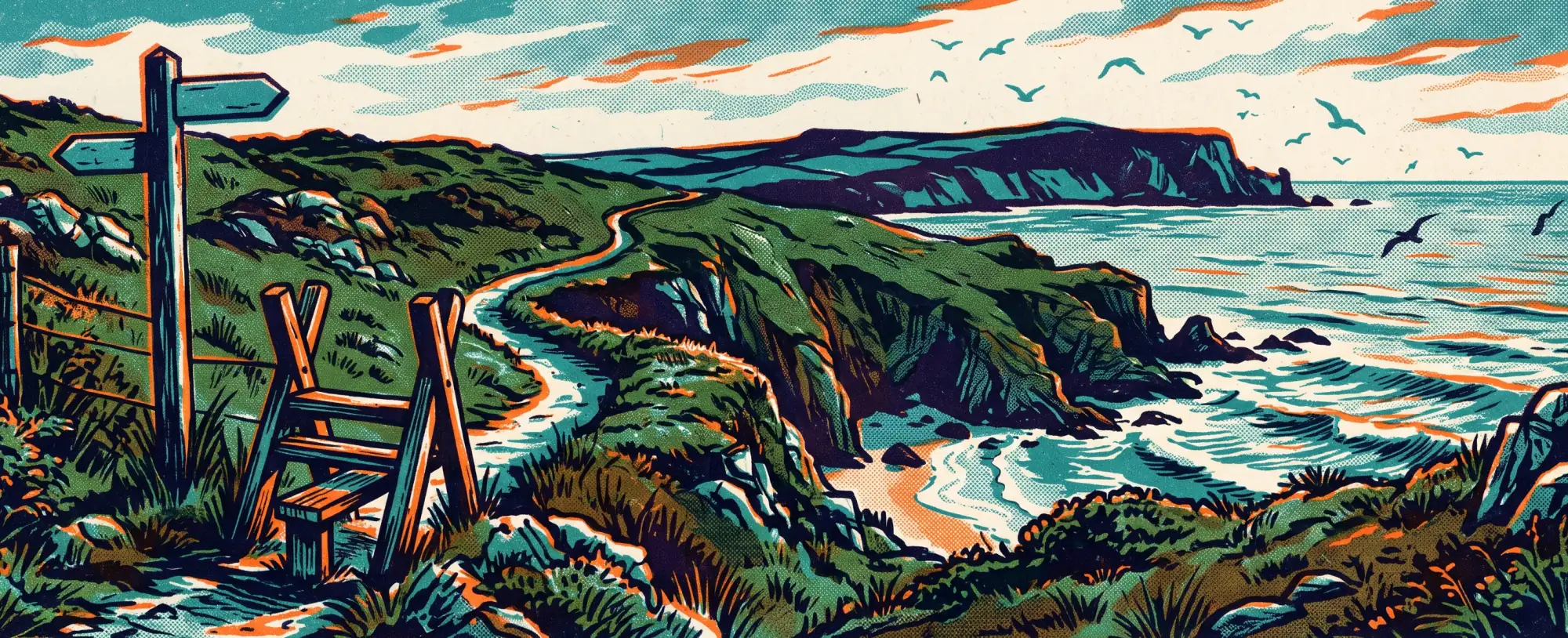
The second morning was the best ride of the trip. North of Seascale the line runs so close to the sea that on a windy day the spray reaches the windows, and the conductor told us he has seen seals on the rocks more than once.
On a windy day the spray reaches the windows.
We got off at St Bees in time for lunch, left our bags at the guest house and walked up onto the headland. The cliffs here are red sandstone, and in early October the path was almost empty: a few walkers, a great many gulls and a lighthouse at the top.
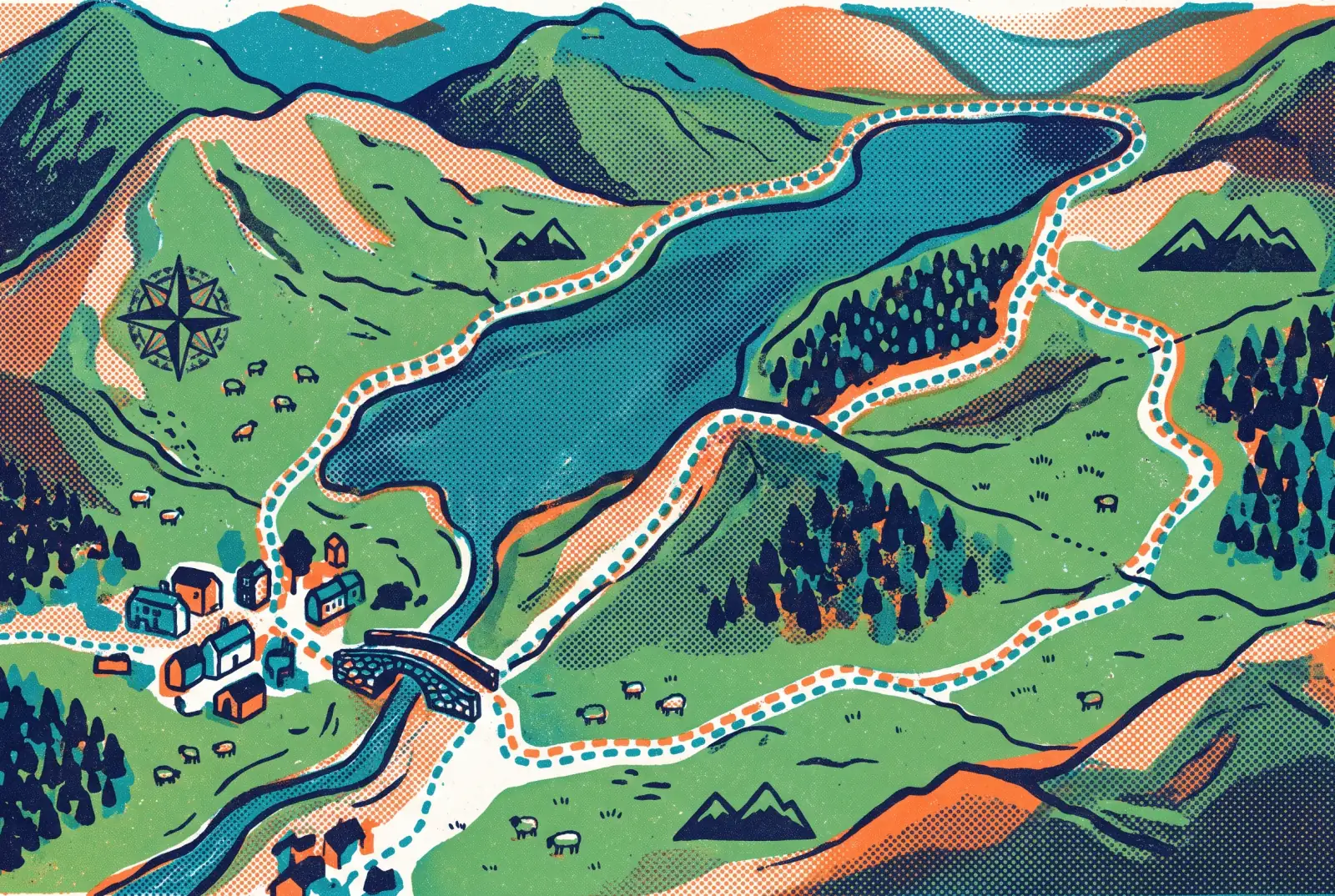
St Bees is also where the long coast-to-coast walk begins. We watched two walkers dip their boots in the sea for luck, then set off east with nearly two hundred miles in front of them. We were glad to be going north by train.
Day three: on to Maryport
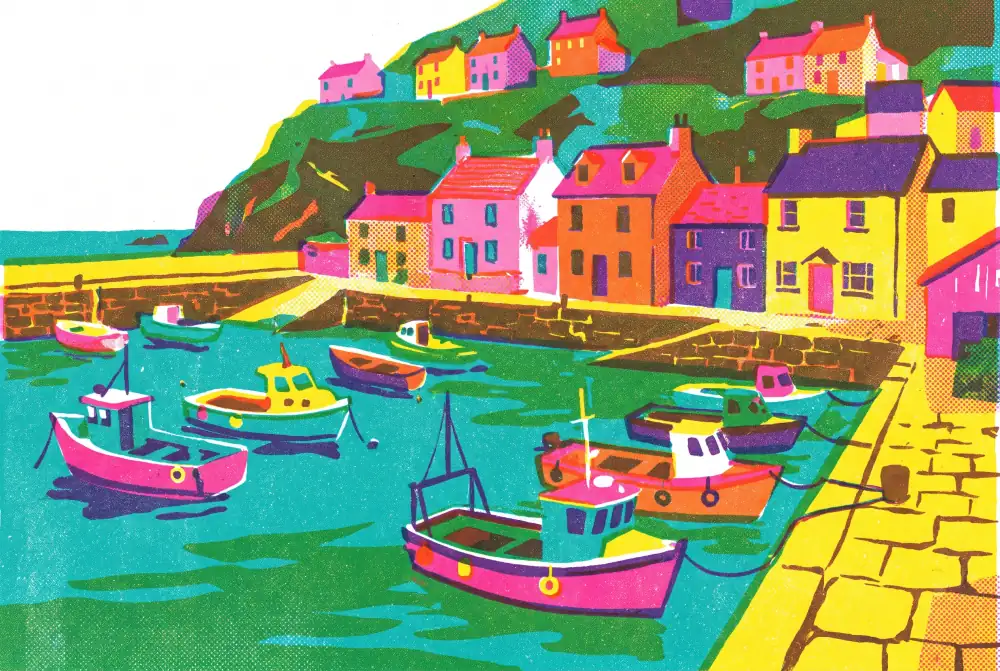
The last day was shorter and grayer. We stopped for an hour at Whitehaven to see the harbor, full of painted boats, and its neat grid of Georgian streets that makes you feel you are in a much bigger town.
From there the line runs on through Workington to Maryport, where we found a small maritime museum, a long promenade and the best fries of the trip. Our train back south left at ten past four, and we watched the whole coast go by again in reverse, this time with the lights coming on.
Before you go
- Ask for a rover ticket for the line. It usually costs less than three singles and lets you hop on and off.
- Many stations are request stops. Tell the conductor where you want to get off, and wave at the driver to get on.
- Trains run about once an hour, and less often on Sundays. Check the times the night before.
- Pack a warm layer. The sea wind is cold, even in summer.